Justice for Vulnerable Residents

Nursing Home Abuse Lawyer in Kirkland, Washington

Nursing Home Abuse Claims and Legal Options

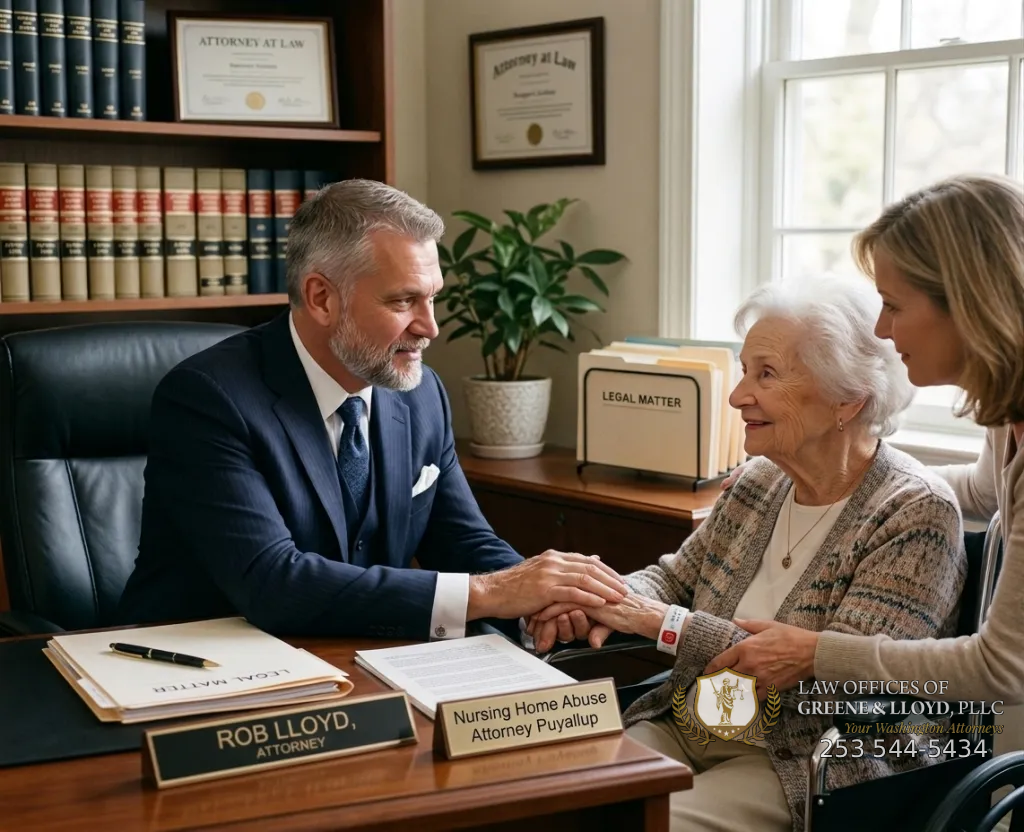
Nursing home abuse represents a serious violation of trust and human dignity that affects vulnerable seniors and their families. When a resident experiences neglect, physical abuse, emotional mistreatment, or financial exploitation within a care facility, the consequences can be devastating. At Law Offices of Greene and Lloyd, we understand the profound impact these situations have on families in Kirkland and throughout Washington. Our team is dedicated to investigating these claims thoroughly and holding negligent facilities accountable for the harm caused to residents.

Victims and their families deserve answers and justice. We work with medical professionals, care standards experts, and investigators to build compelling cases that demonstrate how facilities failed in their duty of care. Whether the abuse occurred through direct violence, systematic neglect, medication mismanagement, or intentional harm, we pursue every avenue to secure compensation and ensure facilities improve their practices to protect other residents.

Why Nursing Home Abuse Claims Matter

Legal action in nursing home abuse cases serves multiple essential purposes beyond financial recovery. Pursuing a claim creates accountability that motivates facilities to implement stronger safeguards, training programs, and monitoring systems. It provides families with answers about what happened and prevents further harm to other vulnerable residents. Compensation helps families cover medical expenses resulting from abuse, therapy costs, and additional care needs. By standing up against negligent facilities, you contribute to systemic improvements in nursing home standards and demonstrate that such violations will not be tolerated in our community.

Greene and Lloyd's Approach to Nursing Home Cases

Law Offices of Greene and Lloyd brings extensive experience in personal injury litigation, including numerous nursing home abuse matters throughout Washington. Our attorneys understand both the medical and legal complexities of these sensitive cases, from recognizing signs of abuse to navigating facility records and regulatory violations. We approach each case with compassion for affected families while maintaining the aggressive advocacy needed to challenge large care corporations. Our track record demonstrates our commitment to pursuing full compensation and holding facilities responsible for their failures in duty of care.

Understanding Nursing Home Abuse and Neglect

Nursing home abuse encompasses a wide range of harmful behaviors that violate a resident’s safety and well-being. Physical abuse includes hitting, pushing, inappropriate restraint, or causing injury. Neglect occurs when staff fails to provide necessary care, medication, nutrition, hygiene, or medical attention. Emotional abuse involves verbal threats, harassment, isolation, or humiliation. Financial exploitation occurs when residents’ money or assets are misappropriated. Sexual abuse represents a serious criminal violation. Many cases involve combinations of these forms of abuse, often enabled by understaffing, inadequate training, poor supervision, or systemic indifference to resident welfare.

Signs of nursing home abuse may include unexplained injuries, behavioral changes, depression, anxiety, poor hygiene, malnutrition, medication errors, unexplained financial transactions, or withdrawal from activities. Families should take concerns seriously and document all observations, photos, and medical records. Reporting to facility management, state ombudsmen, and regulatory agencies creates official records. Legal action complements these reports by providing a mechanism to recover compensation and ensure accountability. Your attorney will work with healthcare professionals to establish causation between facility negligence and resident harm, building a comprehensive case.

Need More Information?

Key Terms in Nursing Home Abuse Cases

Duty of Care

The legal obligation nursing homes must fulfill to protect residents from harm, provide appropriate medical treatment, maintain sanitary conditions, and ensure adequate supervision and staff training. Facilities breach this duty when they fail to meet reasonable standards of care.

Negligent Supervision

The failure of facility management to properly oversee staff members, resulting in conditions where abuse or neglect occurs. This includes inadequate monitoring of employee behavior and insufficient checks on resident welfare.

Compensatory Damages

Financial compensation awarded to cover actual losses suffered by the victim, including medical expenses, rehabilitation costs, pain and suffering, emotional distress, and diminished quality of life resulting from the abuse or neglect.

Punitive Damages

Additional damages awarded in cases involving egregious conduct to punish the facility and deter similar behavior by others. These go beyond compensation for actual losses and reflect the severity of the wrongdoing.

PRO TIPS

Document Everything

Maintain detailed records of visits, observations, injuries, behavioral changes, conversations with staff, and any medical findings related to potential abuse. Take photographs of injuries, living conditions, and documentation. Keep copies of medical records, facility policies, staffing schedules, and any written communications with the facility.

Report to Authorities

File reports with the Washington Department of Health, Adult Protective Services, local law enforcement, and the state ombudsman office. These official reports create important documentation and trigger investigations. Contact our firm promptly so we can review findings and determine appropriate legal action.

Seek Medical Evaluation

Have the resident evaluated by an independent physician who can document injuries, assess overall health decline, and establish connections between the facility environment and the resident’s condition. Medical evidence is critical to proving the case and demonstrating the extent of harm suffered.

Comprehensive vs. Limited Approaches to Nursing Home Claims

When Full Investigation and Litigation Are Necessary:

Serious Injuries or Death

Cases involving severe injuries, permanent disability, or wrongful death require thorough investigation and aggressive litigation to secure adequate compensation. These situations demand expert testimony, detailed documentation of facility failures, and comprehensive damage analysis to cover lifetime care needs and losses.

Systemic Facility Failures

When abuse results from widespread negligence including chronic understaffing, failed background checks, inadequate training, or ignored warning signs, comprehensive litigation uncovers the patterns of negligence. This approach ensures accountability and contributes to preventing future incidents at the facility.

When Alternative Resolution May Work:

Minor Incidents with Quick Resolution

Some cases involving minor injuries or brief incidents may be resolved through direct negotiation or mediation without full litigation. Administrative complaints and facility-level remedies may suffice when the harm is minimal and the facility acknowledges the problem.

Cases with Clear Facility Liability

When the facility admits wrongdoing or liability is obvious from evidence, settlement negotiations may achieve fair compensation without extended litigation. Early resolution allows families to focus on the resident’s recovery and wellbeing.

Common Situations Requiring Nursing Home Abuse Claims

gledit2

Nursing Home Abuse Attorney in Kirkland

Why Choose Greene and Lloyd for Your Nursing Home Abuse Claim

Law Offices of Greene and Lloyd has built a reputation for handling sensitive personal injury matters with both compassion and legal strength. Our team understands the emotional complexity of nursing home abuse cases and the urgency families feel when their loved ones are harmed. We combine thorough investigation, medical knowledge, and litigation experience to build compelling cases that achieve meaningful results for our clients throughout Kirkland and Washington.

We handle nursing home abuse cases on a contingency basis, meaning you pay no upfront fees and we recover our costs only when you receive compensation. This approach ensures that financial constraints never prevent families from accessing justice. Our commitment extends beyond the courtroom to supporting families through recovery and holding facilities accountable for protecting vulnerable residents.

Contact Us for Your Free Consultation

People Also Search For

Nursing home neglect lawyer

Elder abuse claims

Long-term care facility negligence

Senior abuse attorney

Kirkland personal injury lawyer

Wrongful death nursing home

Facility negligence compensation

Washington elder law attorney

Related Services

FAQS

What are the signs that a nursing home resident is being abused?

Warning signs of nursing home abuse include unexplained injuries such as bruises, fractures, or lacerations that facility staff cannot adequately explain. You may notice sudden behavioral changes including depression, anxiety, withdrawal from activities, or fear when certain staff members are present. Poor hygiene, malnutrition, rapid weight loss, or medication-related symptoms may indicate neglect. Financial exploitation signs include unexplained bank withdrawals, missing valuables, or suspicious changes to wills or power of attorney documents. Changes in physical health without medical explanation, such as pressure sores developing despite mobility, also warrant investigation. Additionally, residents may become withdrawn, refuse to communicate, or express fear about staff members, all of which should be taken seriously and reported immediately. Documenting these observations is essential. Keep dated records with photographs when possible, note times and details of conversations with staff, and maintain copies of medical records and facility documentation. Report concerns to facility administration, your state’s ombudsman office, Adult Protective Services, and law enforcement. Contact an attorney who can review your documentation and determine whether a legal claim is appropriate. The sooner you take action, the better evidence can be preserved and the more effectively we can investigate potential abuse.

Compensation in nursing home abuse cases covers both economic and non-economic damages. Economic damages include medical expenses for treatment of injuries, rehabilitation and therapy costs, medications, in-home care assistance, and ongoing healthcare needs. If the abuse resulted in permanent disability, compensation covers the cost of modifications to the home, specialized equipment, and long-term care services. Wrongful death cases cover funeral and burial expenses, medical treatment before death, and lost financial support the resident would have provided. You can also recover attorney fees, investigation costs, and court expenses necessary to pursue the claim. Non-economic damages compensate for pain and suffering, emotional distress, loss of dignity, and diminished quality of life. In cases of egregious conduct, courts may award punitive damages designed to punish the facility and deter similar behavior. The total compensation depends on the severity of harm, the resident’s age and life expectancy, the strength of evidence proving facility negligence, and the facility’s resources. Our attorneys work with financial analysts to calculate damages that truly reflect the resident’s losses and secure the maximum possible recovery.

Washington has specific statutes of limitations for nursing home abuse claims. For personal injury claims, you generally have three years from the date of discovery of the abuse to file a lawsuit. In wrongful death cases, the time limit is three years from the date of death. These time limits are critical and strictly enforced, so it is essential to contact an attorney immediately upon discovery of potential abuse. The clock does not pause while you gather information or decide whether to pursue a claim. Additionally, certain situations may toll or extend these deadlines, such as claims involving minors or individuals declared legally incompetent. Some claims may require administrative reporting to state agencies before pursuing litigation. Because these deadlines vary and missing them can forever bar your claim, you should consult with an attorney as soon as you suspect abuse rather than waiting. We can advise you of your specific deadlines and ensure all necessary steps are taken to preserve your right to recover.

Strong nursing home abuse cases require comprehensive evidence that demonstrates the facility’s breach of duty caused the resident’s harm. Medical records documenting injuries, treatment, and the resident’s condition before and after the suspected abuse are critical. Photographs of injuries, living conditions, and the resident’s physical state provide visual documentation. Testimony from the resident, if they can communicate, as well as statements from family, visitors, and staff members who witnessed the abuse or observed concerning behavior strengthen your case. Expert testimony from medical professionals, nursing standards experts, and care facility consultants helps establish what standard care required and how the facility fell short. Facility documentation including staffing records, incident reports, care plans, and disciplinary records often reveal patterns of negligence. State inspection reports and regulatory violations demonstrate systemic failures. Financial records may show evidence of exploitation. Security camera footage, if available, can provide objective evidence of physical abuse. Incident reports, nursing notes, and physician orders reveal what the facility knew and failed to address. Your attorney will work with investigators to gather this evidence, obtain records through discovery, and build a comprehensive case that proves liability and causation.

Yes, nursing home abuse can result in both criminal prosecution and civil lawsuits, and these proceedings operate independently. Criminal cases are brought by government prosecutors and focus on punishing the perpetrator. A criminal conviction is not necessary for you to succeed in a civil lawsuit; civil cases use a lower burden of proof (preponderance of the evidence) than criminal cases (beyond reasonable doubt). A civil judgment can be obtained even if criminal charges are not filed or if a criminal acquittal occurs. Conversely, a criminal conviction strengthens your civil case and may be admissible as evidence. While a criminal case focuses on punishment, a civil case focuses on compensating the victim for harm suffered. We encourage families to report abuse to law enforcement for criminal investigation while simultaneously pursuing civil claims through our firm. This dual approach ensures the perpetrator faces criminal accountability while the resident receives compensation and the facility becomes accountable for systemic failures. Your attorney can advise you on reporting to law enforcement and how the criminal proceedings may impact your civil case.

The Washington Department of Health licenses and regulates nursing homes and investigates complaints of abuse, neglect, and violations of care standards. When you file a complaint with the Department of Health, they investigate facility practices, interview staff and residents, review records, and issue citations for violations. Their investigations create official documentation that can be critical evidence in civil litigation. Department findings establish what standards the facility violated and support claims that the facility breached its duty of care. These regulatory investigations often occur simultaneously with civil litigation and complement our legal strategy. Reporting to the Department of Health is important not only for your case but also for protecting other residents. Department investigations can result in sanctions, mandatory remediation plans, fines, or license revocation for serious violations. You should file complaints with the Department of Health while also contacting an attorney. The evidence from regulatory investigations becomes discoverable during litigation and significantly strengthens your civil case. Additionally, an administrative law judge may order facilities to implement safety improvements that protect current and future residents.

Law Offices of Greene and Lloyd handles nursing home abuse cases on a contingency fee basis, meaning you pay no upfront attorney fees. We recover our fees only from the compensation we obtain for you through settlement or verdict. This arrangement ensures that financial constraints never prevent families from accessing legal representation and justice. You are responsible for certain costs such as court filing fees, investigation expenses, medical expert fees, and deposition costs, but these costs are typically advanced by our firm and recovered from your settlement or award. Because we only recover fees when you recover compensation, we are highly motivated to maximize your recovery. This alignment of interests means we will thoroughly investigate your case, aggressively pursue all available claims, and pursue settlement or litigation strategies designed to achieve the best possible outcome for your family. We explain all costs and fee arrangements clearly during your initial consultation so you understand exactly how our representation works.

Immediate action is critical when you suspect or discover nursing home abuse. First, ensure the resident’s immediate safety by removing them from further harm if possible and seeking emergency medical treatment for any injuries. Document everything you observe with detailed notes, dates, times, and photographs of injuries or living conditions. Report the suspected abuse to facility administration in writing, maintaining copies of your reports. Simultaneously report to the Washington Department of Health’s hotline, Adult Protective Services, the state ombudsman, and local law enforcement to create official records of your concerns. After ensuring safety and making reports, contact our firm immediately for a free consultation. Time is critical because evidence can be lost, memories fade, and statutes of limitations govern how long you have to file claims. We will review your observations and documentation, advise you of your legal rights, guide you through the investigative process, and determine the best course of action. Do not accept any settlement offers from the facility without consulting an attorney, as these agreements often waive your right to pursue further legal claims.

Yes, families can pursue wrongful death claims when a resident dies as a result of nursing home abuse or gross negligence. Wrongful death actions allow you to recover for medical expenses incurred before death, funeral and burial costs, lost financial support the resident would have provided, loss of companionship and consortium, and pain and suffering experienced before death. The value of a wrongful death claim depends on factors including the resident’s age, health, earning capacity, family relationships, and the severity of suffering preceding death. Punitive damages may be available in cases of egregious conduct, adding significant value to your claim. Families may pursue these claims through a personal representative of the estate. We handle all aspects of the wrongful death claim, from investigating the cause of death to negotiating with the facility’s insurance carrier to pursuing litigation if necessary. Wrongful death cases require strong evidence connecting the facility’s negligence or abuse directly to the resident’s death, and our investigation will establish this causation. While no amount of compensation can restore your loved one, a successful wrongful death claim provides financial security and holds the facility accountable.

Many nursing home abuse cases are resolved through settlement negotiations without trial, but we prepare every case as if it will go to trial to maximize your leverage in settlement discussions. When we file a claim and begin discovery, the facility’s insurance carrier becomes motivated to evaluate their liability and risk. As we gather strong evidence of negligence and causation, settlement becomes increasingly attractive to the defendant. Most cases settle during negotiations or mediation, allowing your family to obtain compensation more quickly without the time and stress of trial. However, some cases proceed to trial when the facility disputes liability, refuses a reasonable settlement, or the evidence is particularly strong and warrants pursuing maximum available compensation. We are fully prepared to present your case to a jury, including medical expert testimony, facility standards testimony, and evidence of the facility’s knowledge of dangerous conditions or staff misconduct. Whether we settle or proceed to trial, our goal is always to achieve the maximum compensation your family deserves. During your consultation, we discuss the likely trajectory of your case and what to expect.

Legal Services in Kirkland, WA

Personal injury and criminal defense representation

Criminal Law Services

Personal Injury Law Services