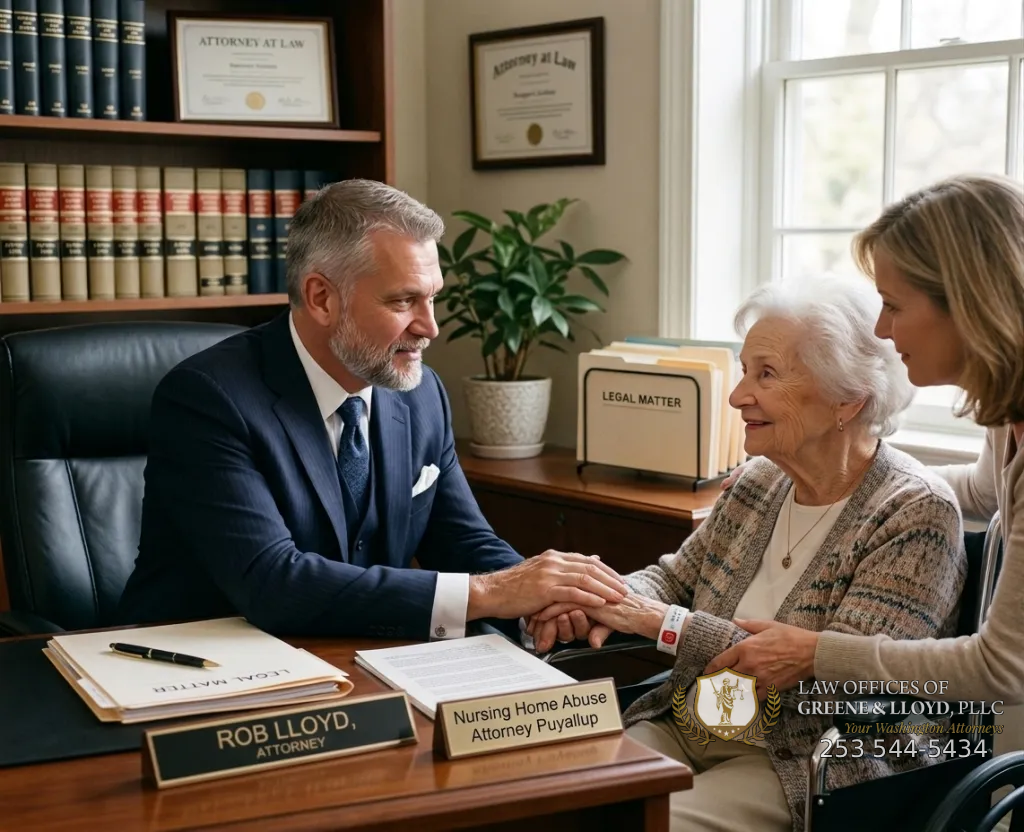
Nursing home abuse represents a serious violation of trust that places vulnerable residents at risk of physical, emotional, and financial harm. Families entrust care facilities with their loved ones, expecting professional staff to provide safe, dignified treatment. When that trust is broken through neglect, mistreatment, or exploitation, victims deserve justice and compensation. The Law Offices of Greene and Lloyd fights to hold negligent facilities accountable and secure the recovery your family deserves.
Pursuing a nursing home abuse claim protects not only your family but also future residents by holding facilities accountable for their failures. Legal action sends a clear message that abuse will not be tolerated and can lead to operational improvements that prevent future incidents. Successful claims result in compensation covering medical expenses, pain and suffering, lost wages, and punitive damages designed to deter negligent behavior. Beyond financial recovery, litigation provides validation that your loved one’s suffering matters and demands acknowledgment from those responsible.
Nursing home abuse encompasses various forms of mistreatment including physical violence, emotional abuse, sexual assault, financial exploitation, and neglect of basic care needs. Physical abuse might involve striking, pushing, or inappropriate restraint of residents. Neglect occurs when staff fails to provide adequate nutrition, hygiene, medication management, or medical attention. Emotional abuse includes intimidation, humiliation, and isolation. Financial exploitation involves unauthorized use of resident funds or valuables. Understanding what constitutes abuse is essential for families to recognize warning signs and take protective action.
Failure to provide necessary care, supervision, or assistance that a resident needs for their health, safety, and well-being. This includes withholding food, medication, hygiene assistance, or medical treatment.
An unauthorized departure by a resident from a care facility. Facilities have legal responsibility to prevent elopement when residents lack capacity to make safe decisions, and they are liable for injuries resulting from preventable elopement.
A legal obligation nursing homes have to act in residents’ best interests and protect them from harm. This duty requires facilities to maintain safe conditions, provide adequate care, and safeguard residents’ property and dignity.
Money awarded to compensate victims for actual losses including medical bills, pain and suffering, lost wages, and costs of future care. These damages aim to restore the victim to their condition before the abuse occurred.
Keep detailed records of any visible injuries, behavioral changes, or concerning statements your loved one makes about their care. Take photographs of injuries and note dates, times, and circumstances of suspicious incidents. This documentation becomes critical evidence in establishing a pattern of abuse and supporting your legal claims.
Obtain all medical records, incident reports, and staff documentation from the facility as soon as you suspect abuse. These records may contain evidence of injuries, treatment changes, or facility investigations. Early access to records prevents facilities from altering or destroying evidence of misconduct.
Save all communications with the facility, photographs of injuries, and medical documentation related to your concerns. Communicate your abuse allegations and requests for investigations through written messages that create a paper trail. Avoid casual conversations that leave no record of when you reported problems to facility management.
When your loved one has suffered severe injuries, shows signs of systematic mistreatment, or exhibits psychological trauma from facility care, comprehensive legal action is warranted. These cases require thorough investigation, medical testimony, and vigorous advocacy to obtain adequate compensation. Facilities with documented patterns of abuse need to face meaningful legal consequences to protect future residents.
When facilities fail to report suspected abuse to authorities, conduct inadequate investigations, or attempt to cover up incidents, full litigation becomes necessary. These failures demonstrate knowing negligence and may warrant punitive damages. Comprehensive legal action holds facilities accountable for both the abuse and their institutional failure to protect residents.
When an isolated minor incident occurs and the facility takes immediate corrective action, administrative remedies may resolve the matter appropriately. Swift facility response, staff retraining, and preventive measures sometimes address concerns without litigation. However, monitoring remains essential to ensure the problem does not recur.
In straightforward cases where facility liability is clear and adequate insurance exists, insurance settlements may provide fair compensation without prolonged litigation. Skilled negotiation can sometimes yield reasonable settlements faster than court proceedings. However, our attorneys ensure any settlement adequately covers all damages including future care needs.
Bedsores and pressure ulcers result from inadequate positioning, hygiene, and medical attention. These painful and potentially life-threatening conditions indicate serious neglect of basic care responsibilities.
Improper medication administration or failure to administer prescribed medications causes serious health deterioration. These errors demonstrate dangerous understaffing or inadequate training of nursing staff.
Preventable falls result from insufficient supervision, inadequate assistive devices, or failure to implement safety protocols for residents at fall risk. Facilities have clear obligations to prevent foreseeable fall incidents.
The Law Offices of Greene and Lloyd combines deep knowledge of nursing home regulations, facility liability law, and personal injury litigation with genuine compassion for families harmed by negligent care. We understand that pursuing a nursing home abuse claim involves emotional complexity alongside legal challenges. Our attorneys treat your family with dignity and respect while aggressively pursuing the compensation and accountability your loved one deserves.
We handle all aspects of nursing home abuse claims from initial investigation through trial, working with medical professionals to document injuries, investigators to uncover facility failures, and experienced litigators to present compelling cases. We maintain regular communication with clients, explain legal options clearly, and ensure you understand every decision in your case. Our goal is not just settlement, but genuine accountability that leads to improved care for all residents.
Nursing home abuse differs from honest mistakes by involving intentional misconduct or gross negligence showing reckless disregard for resident safety. Isolated care errors made despite reasonable protocols and staff training may constitute ordinary negligence. However, patterns of similar incidents, failure to follow facility policies, understaffing that prevents adequate care, and attempts to cover up problems demonstrate deliberate misconduct constituting abuse. Documentation of your concerns reported to facility management before injuries occurred strengthens abuse allegations by showing the facility knew of dangerous conditions yet failed to correct them. Our attorneys distinguish between acceptable care variations and actionable abuse by examining facility policies, staffing levels, training records, and the foreseeability of the harm. We compare the care your loved one received against industry standards and regulatory requirements. When investigating, we look for patterns suggesting systematic problems rather than isolated mistakes. Clear deviation from established protocols, especially when resulting in serious injury, indicates abuse warranting legal action and compensation.
Washington law generally provides a three-year statute of limitations for personal injury claims including nursing home abuse, measured from the date the injury was discovered or reasonably should have been discovered. This discovery rule means the clock may not start immediately upon injury occurrence if the abuse was hidden or not immediately apparent. For wrongful death claims, families have three years from the date of death. However, these timeframes contain exceptions and complexities requiring immediate legal consultation to preserve your rights. Delaying action after discovering abuse is risky because evidence deteriorates, witnesses become unavailable, and facility incident reports or records may be altered or destroyed. We recommend contacting our office as soon as you suspect abuse so we can immediately preserve evidence and evaluate your claim. Even if significant time has passed, we can often work within the applicable limitations period to pursue justice. Early legal consultation protects your rights and prevents case dismissal on technical grounds.
Nursing home abuse victims can recover compensatory damages covering all measurable losses resulting from the abuse. These include medical bills for treating injuries, rehabilitation costs, pain and suffering, emotional distress, lost enjoyment of life, lost wages if the victim was employed, and costs of future medical care or placement in better facilities. In cases involving wrongful death, families recover funeral expenses, lost financial support the deceased would have provided, and damages for the loss of companionship and guidance. Punitive damages may also be available when abuse resulted from intentional misconduct or reckless disregard for resident safety. Calculating damages involves thoroughly documenting medical treatment costs, obtaining expert testimony about long-term care needs and pain impacts, and presenting evidence of your loved one’s suffering. We work with economists to calculate lifetime care costs and with medical professionals to document injury severity. Facilities and their insurers often undervalue claims, making skilled advocacy essential to securing full compensation. Our experience allows us to effectively present these damages to juries and insurance companies.
Gathering evidence begins with requesting all medical records, incident reports, medication administration records, and staff scheduling documentation from the facility. Photographs and videos of injuries, bruises, bedsores, or environmental hazards provide powerful visual evidence. Written communications with facility staff documenting your concerns create a timeline of awareness. Obtain records of facility inspections, violations, staffing complaints, and any prior abuse allegations which establish patterns of negligence. Our investigators interview residents, families, current and former staff, and consult medical professionals to build comprehensive cases. We preserve video surveillance footage, obtain expert reports explaining how injuries occurred, and research facility training and hiring practices. Early action prevents evidence destruction—nursing homes may alter incident reports or destroy video footage once litigation appears likely. We immediately issue legal notices preserving evidence once you retain our firm, putting the facility on notice that destruction would constitute misconduct.
Yes, families can pursue wrongful death claims when nursing home abuse or neglect directly contributed to a loved one’s death. Wrongful death claims are brought on behalf of the deceased’s estate and surviving family members who suffered from the loss. These cases require establishing that facility abuse accelerated death or prevented the victim from receiving necessary medical care. Medical testimony connecting the abuse or neglect to the death is essential, as is documentation showing the facility’s responsibility for the fatal condition. Wrongful death damages include all costs associated with the death, the reasonable value of financial support the deceased would have provided, and compensation for family members’ loss of companionship and emotional suffering. These cases are among the most serious and warrant aggressive representation. We handle the entire wrongful death process from investigation through settlement or trial, providing compassionate support to grieving families while pursuing justice.
Government agencies including the Washington Department of Social and Health Services and local health departments investigate nursing home complaints and conduct regular facility inspections. These agencies can issue violations, require corrective action plans, impose fines, and in serious cases revoke facility licenses. While government investigations provide valuable documentation of facility failures, they do not directly compensate victims or hold individual decision-makers accountable. Civil litigation through our office complements government investigations by seeking financial compensation and specific damages for your family. Government actions provide evidence supporting your case, but private litigation is necessary to recover medical costs and damages government agencies cannot award. We coordinate with governmental investigations to obtain documents and reports strengthening your claim while pursuing parallel legal action on your family’s behalf.
Nursing home abuse settlements vary widely depending on injury severity, medical costs, victim age and life expectancy, facility negligence level, and available insurance coverage. Minor neglect cases might settle for tens of thousands of dollars, while serious abuse causing permanent injury can result in settlements exceeding one million dollars. Wrongful death cases frequently settle for substantial amounts reflecting the lifetime value of the lost relationship and financial support. Punitive damages significantly increase settlements when facilities acted with intentional misconduct. Insurance coverage limits often determine settlement ranges, though many cases exceed policy limits. We aggressively pursue all responsible parties including the facility, parent companies, management companies, and individual staff members to maximize available compensation. Rather than accept initial settlement offers, we thoroughly evaluate your damages and litigate vigorously to achieve full value. Our track record of successful trials puts us in strong negotiating positions when discussing settlements with insurers.
Most nursing home abuse cases settle before trial through negotiations with facility insurers, though some proceed to jury verdict when fair settlements cannot be reached. Settlement timing depends on case complexity, evidence strength, and insurer willingness to pay fair value. We prepare every case for trial regardless of settlement prospects, because thorough trial preparation strengthens negotiating positions. Facilities and insurers take our firm seriously knowing we will try cases aggressively if necessary. Trial provides the opportunity for juries to hold negligent facilities fully accountable through jury verdicts exceeding insurance settlement offers. We assess whether trial prospects favor your family before recommending settlement. Our goal is maximum recovery whether through settlement or jury verdict. We explain trial risks and benefits to clients, allowing informed decisions about settlement opportunities versus trial.
Yes, you can and should move your loved one to a safer facility immediately upon discovering abuse. Protecting your loved one’s safety takes priority over litigation considerations. Continuing residence in an abusive environment exposes them to additional harm while potentially destroying legal claims through documented ongoing abuse that suggests acceptance. Document the transfer carefully, preserving all medical information and records from the previous facility. Moving your loved one to a better facility does not weaken your claim—it demonstrates that you took protective action to prevent further harm. In fact, evidence of improved health and well-being in the new facility strengthens damages calculations by showing the previous facility’s care was genuinely inadequate. Inform us immediately of any transfer so we can document the move and preserve medical records establishing the baseline for your loved one’s current condition.
Nursing home retaliation against residents whose families pursue legal claims is illegal under federal and state law. Retaliation includes discharge without cause, sudden transfer, withdrawal of amenities, harsh treatment, or any adverse action motivated by the family’s reporting abuse or pursuing litigation. Facilities cannot legally punish residents for the actions of family members, and doing so creates additional liability and potential criminal charges against individual staff members. If you believe retaliation is occurring, report it immediately to your attorney, the Department of Social and Health Services, local health departments, and law enforcement. Contemporaneous documentation of retaliatory actions strengthens claims against the facility. We can seek restraining orders preventing retaliation and can include retaliation damages in litigation. Most facilities are aware of anti-retaliation laws, but vigilance and reporting ensure your loved one receives appropriate care throughout the legal process.
Personal injury and criminal defense representation
"*" indicates required fields