Protecting Vulnerable Seniors

Nursing Home Abuse Lawyer in Sedro-Woolley, Washington

Nursing Home Abuse Legal Services

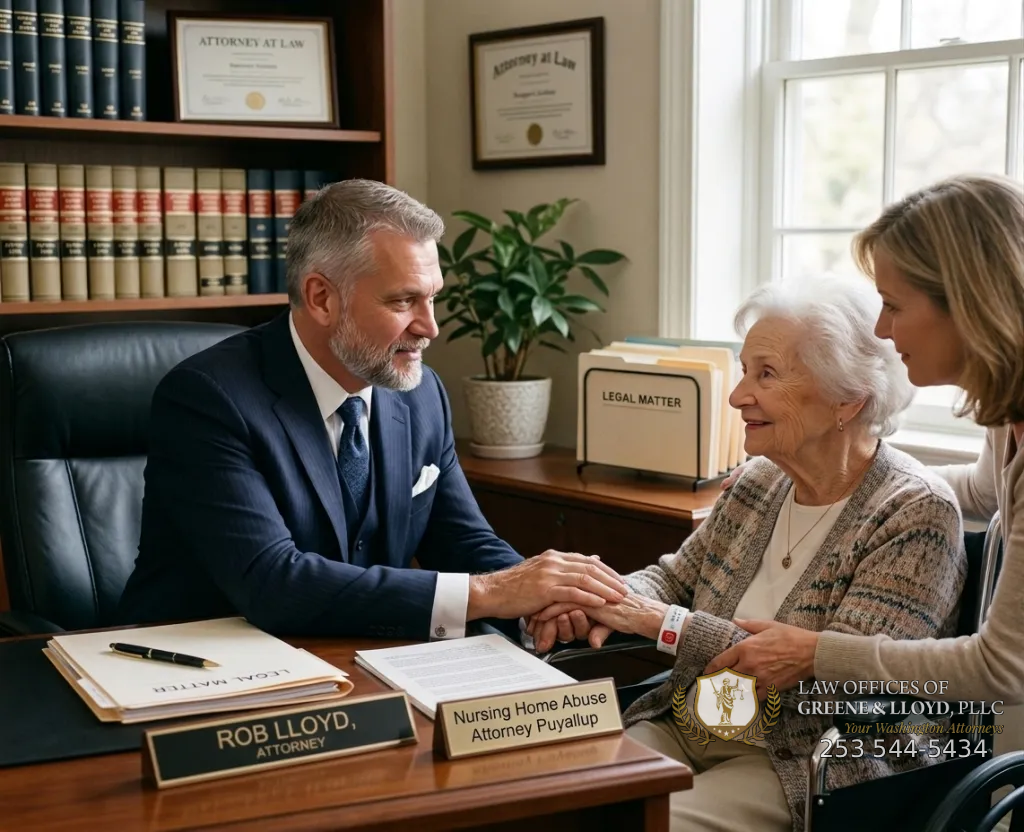
Nursing home abuse represents a serious violation of the trust families place in care facilities. Residents in long-term care settings deserve safe, respectful treatment and proper medical attention. When neglect, physical abuse, or emotional mistreatment occurs, it can cause devastating harm to vulnerable seniors. The Law Offices of Greene and Lloyd understands the physical and emotional toll that abuse can inflict on residents and their families. Our team is dedicated to holding negligent facilities accountable and securing justice for victims in Sedro-Woolley and throughout the region.

Recognizing signs of nursing home abuse is the first step toward protection. Common indicators include unexplained injuries, sudden behavioral changes, poor hygiene, medication errors, and withdrawal from activities. Some victims cannot communicate their experiences due to cognitive decline or physical limitations, making family vigilance essential. If you suspect your loved one is being mistreated, immediate action is necessary. Greene and Lloyd provides comprehensive legal guidance to help families understand their rights and pursue claims against facilities that fail to provide adequate care and supervision.

Why Nursing Home Abuse Claims Matter

Legal action for nursing home abuse serves multiple critical purposes beyond financial compensation. Holding facilities accountable encourages improvements in care standards and safety practices across the industry. Successful claims demonstrate that negligence will have consequences, motivating administrators to invest in proper staffing, training, and oversight. For families, pursuing justice validates their loved one’s suffering and ensures they receive funds for medical treatment, pain and suffering, and ongoing care needs. Documentation of abuse through legal proceedings also creates records that protect other residents by exposing patterns of misconduct. Greene and Lloyd’s commitment to these cases helps strengthen protections for vulnerable seniors throughout Washington.

The Law Offices of Greene and Lloyd

The Law Offices of Greene and Lloyd has built a strong reputation for handling complex personal injury cases, including nursing home abuse claims. Our attorneys have extensive experience investigating facility practices, identifying violations of care standards, and building compelling cases on behalf of affected families. We work closely with medical professionals, care consultants, and investigators to document abuse and establish liability. Our deep understanding of nursing home regulations and standards of care in Washington allows us to identify lapses that compromise resident safety. We approach each case with compassion and determination, ensuring that families receive thorough representation and that negligent facilities are held accountable for their failures.

Understanding Nursing Home Abuse Claims

Nursing home abuse encompasses various forms of mistreatment that occur in long-term care facilities. Physical abuse includes hitting, pushing, or rough handling that causes injury or pain. Neglect occurs when staff fails to provide necessary care, medication, nutrition, or hygiene assistance, leading to preventable suffering or complications. Emotional abuse involves verbal mistreatment, humiliation, or isolation that damages a resident’s psychological well-being. Financial exploitation happens when staff or facility operators misuse a resident’s money or assets. Sexual abuse represents a severe violation that requires immediate reporting and investigation. Understanding these distinctions helps families recognize problems and determine whether legal action is warranted. Greene and Lloyd can evaluate specific situations and explain how the law applies to individual cases.

Establishing liability in nursing home abuse cases requires demonstrating that the facility or its staff breached their duty of care. Facilities are required by law to maintain safe environments, provide adequate supervision, hire competent staff, and implement proper training programs. When they fail in these obligations and that failure results in harm, they are liable for damages. Evidence may include medical records, photographs of injuries, witness statements, facility incident reports, and testimony from care standards consultants. Documentation of previous complaints or citations against the facility strengthens cases by showing a pattern of neglect. Families should preserve all evidence, report incidents to relevant authorities, and consult with legal counsel promptly. Greene and Lloyd’s thorough investigation ensures no important evidence is overlooked.

Need More Information?

Nursing Home Abuse Glossary

Neglect

Neglect refers to a facility’s failure to provide necessary care, supervision, or assistance that a resident requires. This includes insufficient attention to hygiene, nutrition, medication administration, or medical treatment. Neglect can result from inadequate staffing levels or staff failure to fulfill their duties, causing preventable harm or deterioration in a resident’s condition.

Duty of Care

Duty of care is the legal obligation nursing homes have to provide residents with safe conditions and appropriate treatment. This includes maintaining clean facilities, supervising residents properly, administering medications correctly, and responding promptly to medical needs. Violation of this duty can form the basis for a negligence claim.

Physical Abuse

Physical abuse occurs when staff members intentionally use force that causes injury or pain to residents. Examples include hitting, pushing, restraining improperly, or rough handling. Physical abuse is a criminal matter as well as grounds for civil liability against the facility.

Damages

Damages are monetary awards provided to injured parties in lawsuits. In nursing home abuse cases, damages may cover medical expenses, pain and suffering, loss of enjoyment of life, and punitive damages intended to punish the facility for serious misconduct.

PRO TIPS

Document Everything Carefully

Keep detailed records of any suspicious injuries, behavioral changes, or concerns about your loved one’s treatment at the facility. Photograph visible injuries and note dates, times, and descriptions of incidents reported by staff or observed directly. Request and preserve all medical records, incident reports, and correspondence with the facility to build a comprehensive documentation trail.

Trust Your Instincts

If something feels wrong about your family member’s care or treatment, investigate further rather than dismissing concerns. Sudden personality changes, fear of certain staff members, or reluctance to discuss facility life warrant careful attention and questioning. Your knowledge of your loved one’s baseline behavior and preferences makes you an invaluable observer.

Report to Authorities Immediately

Contact Adult Protective Services, local law enforcement, and the state health department if you suspect abuse or neglect. Reporting creates an official record and triggers investigations that may uncover broader patterns of misconduct. Prompt reporting also supports your future legal claims by establishing timely notice of problems.

Comprehensive vs. Limited Legal Approaches

When Full Investigation and Advocacy Make a Difference:

Severe or Repeated Abuse

Cases involving multiple incidents, serious injuries, or patterns of mistreatment benefit significantly from thorough investigation and strong advocacy. Comprehensive legal services uncover facility-wide problems and systemic failures that simple complaints might miss. Building a detailed case demonstrates the scope of misconduct and justifies substantial compensation.

Significant Medical Consequences

When abuse results in hospitalization, permanent injury, or accelerated decline in health, comprehensive legal representation ensures all damages are properly documented and claimed. Medical experts and economic analysts help quantify costs related to necessary additional care and treatment. Thorough preparation strengthens settlement negotiations and trial readiness.

When Focused Representation Works Well:

Minor Incidents With Clear Documentation

Straightforward cases with single incidents and readily available evidence may resolve more quickly with focused legal assistance. When documentation clearly shows negligence and damages are easily quantifiable, streamlined representation can be efficient. However, even minor incidents may warrant deeper investigation to identify systemic issues.

Facility Cooperation and Clear Liability

If a facility accepts responsibility and cooperates with the claims process, negotiations may proceed without extensive litigation. Clear liability and cooperative defendants sometimes allow for faster resolution and settlement. Still, experienced guidance ensures fair compensation reflects all actual losses and future needs.

Common Nursing Home Abuse Scenarios

gledit2

Nursing Home Abuse Attorney Serving Sedro-Woolley

Why Choose Greene and Lloyd for Nursing Home Abuse Claims

The Law Offices of Greene and Lloyd brings dedicated experience and compassionate advocacy to nursing home abuse cases. Our attorneys understand the emotional complexity of these situations and treat families with respect and sensitivity throughout the legal process. We maintain strong relationships with medical professionals, investigators, and care consultants who provide invaluable insight into facility operations and standard care practices. Our thorough approach ensures nothing is overlooked, from initial investigation through settlement negotiation or trial. We handle the complexity of these cases so families can focus on their loved one’s recovery and well-being.

We recognize that financial compensation cannot undo the harm caused by nursing home abuse, but it provides essential resources for additional care and supports accountability. Our track record of successful outcomes reflects our commitment to holding facilities accountable and protecting vulnerable seniors. We work on contingency in many cases, meaning families pay no attorney fees unless we recover compensation. Transparent communication, prompt responsiveness, and genuine advocacy define our client relationships. When you partner with Greene and Lloyd, you gain a team fully invested in your family’s justice and your loved one’s dignity.

Contact Us for a Free Case Review

People Also Search For

Negligent care in nursing homes

Elder abuse compensation

Facility neglect claims

Sedro-Woolley personal injury law

Washington nursing home liability

Long-term care abuse lawsuits

Senior mistreatment attorney

Skagit County injury claims

Related Services

FAQS

What should I do if I suspect nursing home abuse?

If you suspect abuse or neglect, take immediate action by documenting observations with photographs and detailed notes including dates and times. Report your concerns to Adult Protective Services, local law enforcement, and your state’s health department to create an official record and trigger investigations. Notify the facility’s administration and your loved one’s physician, and request all medical records and incident reports. Contact an attorney promptly to discuss your specific situation and legal options. Do not sign any agreements with the facility without legal review, and preserve all evidence including emails, incident reports, and correspondence. An experienced attorney can guide you through reporting procedures, protect your legal rights, and help you understand potential claims. Time-sensitive issues require immediate attention to ensure proper documentation and investigation.

Washington law generally provides a three-year statute of limitations for personal injury claims, including nursing home abuse cases. This period typically begins when the abuse is discovered or should have been discovered through reasonable diligence. However, special rules may apply in certain circumstances, such as cases involving incapacitated individuals or delayed discovery of injuries. It is critical to consult with an attorney promptly because waiting until near the deadline may result in evidence loss and complicate your case. Some claims must be reported to the facility or its insurer within specific timeframes. The sooner you involve legal counsel, the better your position for gathering evidence and pursuing justice. Do not delay if you suspect abuse, as early action protects your rights and strengthens your claim.

Compensation in nursing home abuse cases can include medical expenses related to treatment of injuries or conditions caused by abuse or neglect. Pain and suffering damages compensate for physical and emotional distress, while loss of enjoyment of life addresses the diminished quality of your loved one’s remaining years. In cases of gross negligence or intentional misconduct, punitive damages may be awarded to punish the facility and deter future misconduct. Care costs for additional medical treatment, rehabilitation, or home health services can also be recovered. Lost wages may apply if abuse prevented family members from working. The specific damages available depend on the circumstances of your case, the severity of harm, and the defendant’s conduct. An experienced attorney will evaluate all potential damages to ensure full compensation for your losses.

Proof requires establishing that the facility or its staff breached their duty of care, and that this breach directly caused harm to your loved one. Documentation is critical, including medical records showing injuries or conditions, photographs of visible evidence, incident reports from the facility, and witness statements from family members or other visitors. Expert testimony from medical professionals or care consultants helps establish that the facility failed to meet accepted standards of care. Facility records such as staffing schedules, training documentation, and previous violations can demonstrate patterns of inadequate oversight. Your loved one’s behavioral changes and statements (when possible) provide powerful evidence of mistreatment. An attorney works with investigators and experts to build a comprehensive case supported by strong evidence. Thorough documentation from the time you first suspect problems significantly strengthens your claim.

Yes, many abuse victims cannot verbally report mistreatment due to cognitive decline, dementia, or physical limitations, yet their injuries and condition changes speak clearly to what occurred. Physical evidence such as unexplained injuries, medical records documenting decline, and behavioral changes provide powerful indicators of abuse. Family members, visitors, and care staff can provide testimony about changes they observed in the resident’s condition or behavior. If you have legal authority to act on your loved one’s behalf through power of attorney or guardianship, you can pursue claims on their behalf. Even without such formal authority, you can report abuse and work with attorneys to establish grounds for legal action. Medical experts can connect physical findings to likely causes, and facility records often reveal negligence that caused harm. Your observations as a family member combined with medical evidence create a compelling case.

Criminal liability involves prosecution by government authorities for intentional abuse or serious neglect, potentially resulting in criminal penalties such as fines or imprisonment. Criminal cases require proof beyond a reasonable doubt and are pursued by the state. Civil liability, pursued through personal injury lawsuits, seeks monetary damages to compensate the victim for harm suffered. Civil cases require proof by a preponderance of the evidence (more likely than not) and are initiated by the injured party or their family. Both criminal and civil proceedings can proceed independently. A criminal conviction is not required to pursue a civil claim, and civil success does not depend on criminal prosecution. Greene and Lloyd pursues civil cases to obtain compensation and accountability, while criminal matters are handled by prosecutors. You can report abuse to law enforcement while simultaneously pursuing civil claims to recover damages for your loved one’s suffering.

Many nursing home abuse cases settle before trial through negotiation with the facility’s insurance company. Settlement allows faster resolution, provides certainty of compensation, and avoids the stress and unpredictability of trial. However, some cases proceed to trial when facilities refuse reasonable settlements or dispute liability. Trial may be necessary to hold particularly negligent facilities accountable and send a message about the seriousness of abuse. Your attorney will evaluate the strength of evidence, facility liability insurance, and your loved one’s condition to advise whether settlement or trial is preferable. Throughout negotiations, you control whether to accept settlement offers. We prepare thoroughly for trial while negotiating aggressively for fair settlement, ensuring you receive maximum compensation through either path. The goal is justice and resources for your loved one’s care.

The Law Offices of Greene and Lloyd typically handles nursing home abuse cases on a contingency fee basis, meaning you pay no attorney fees unless we successfully recover compensation on your behalf. When we win your case through settlement or trial, our fees are taken from the recovery as a percentage agreed in advance. This arrangement allows families to pursue justice without upfront costs or financial risk. During your case, certain litigation expenses such as expert fees and investigation costs may apply, and we discuss these with you upfront. Our goal is ensuring you understand all fees and expenses before proceeding. The contingency arrangement aligns our interests with yours—we succeed when you recover full compensation. Contact us for a free initial consultation to discuss your case and any associated costs.

Washington state requires nursing homes to maintain safe environments, provide adequate staffing levels, implement proper training, and deliver appropriate medical care. Facilities must comply with federal regulations for Medicare and Medicaid participation and state-specific licensing requirements. Regulatory agencies conduct inspections and can issue citations or penalties when facilities violate standards. These regulations establish the baseline for evaluating whether facilities breached their duty of care. Facility violation records, staffing levels below regulatory minimums, and failure to implement required safety protocols all support abuse claims. Our attorneys understand Washington regulations thoroughly and use them to establish that facilities failed to meet legal requirements. Regulatory violations combined with your loved one’s injuries create strong evidence of negligence. We investigate whether regulatory violations contributed to the abuse your family member suffered.

We approach each case with deep compassion for affected families combined with aggressive legal advocacy. From the initial consultation, we listen carefully to understand your family’s experience and your loved one’s suffering. We investigate thoroughly, going beyond surface-level explanations to uncover patterns of systemic neglect or abuse that facility administrators may try to hide. Our relationships with medical professionals, investigators, and care consultants provide insights that strengthen your case. We communicate transparently throughout the process, keeping you informed and involving you in important decisions. Rather than simply negotiating the first settlement offer, we prepare thoroughly for trial to demonstrate our commitment and increase leverage in negotiations. We view each case as an opportunity not only to obtain justice for your family but also to hold facilities accountable and protect other vulnerable residents. Your family’s trust guides everything we do.

Criminal Law Services

Personal Injury Law Services